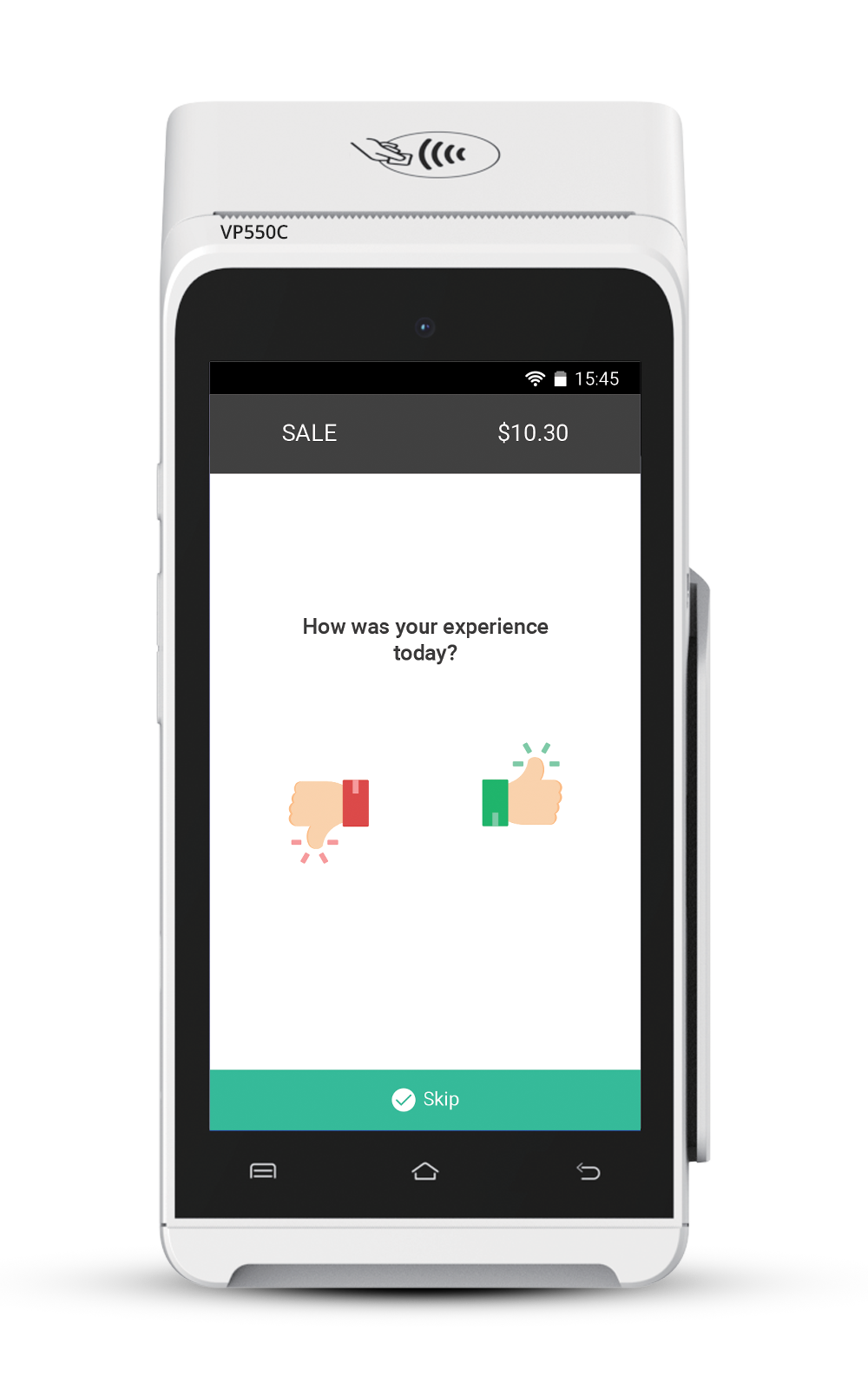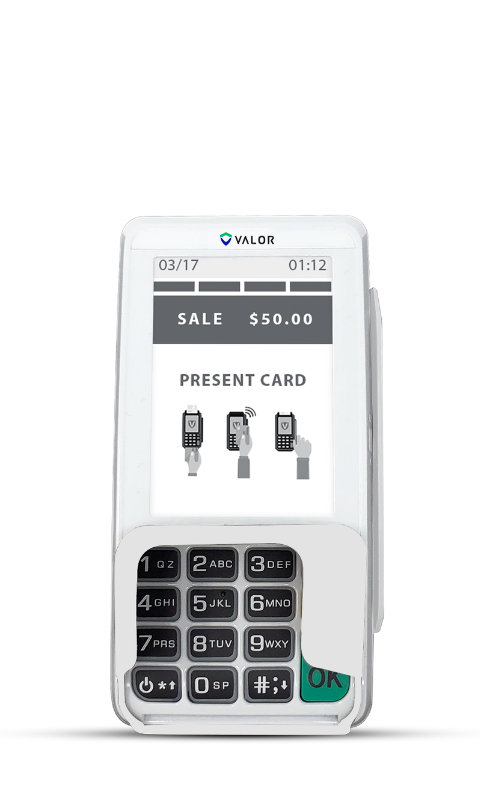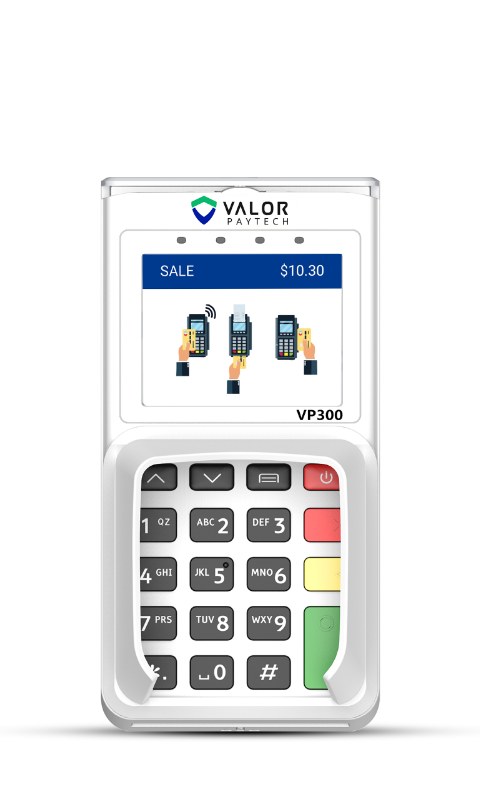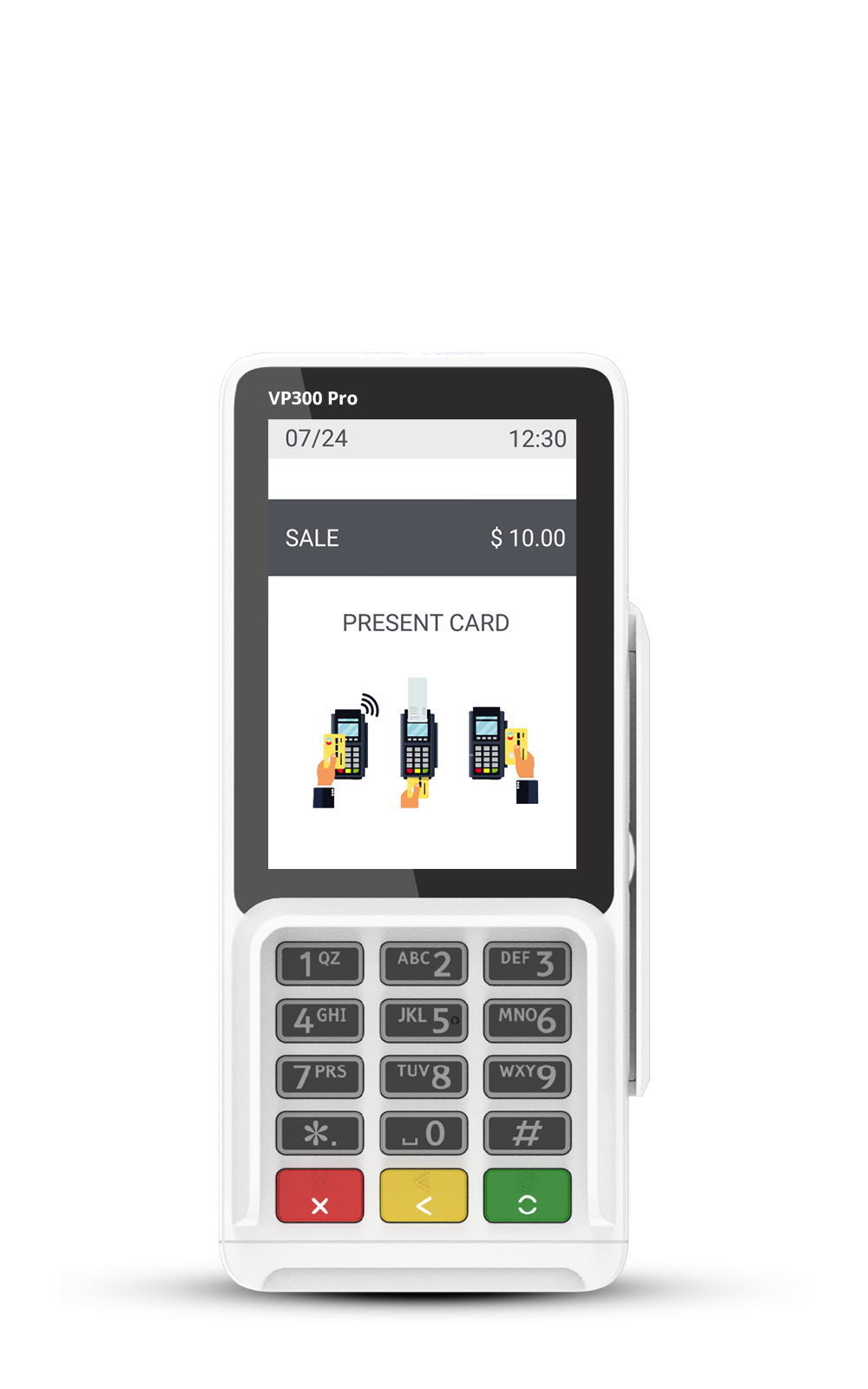

Interested in seeing our payment products in action? Request a Demo

Video Banner-Main

Best Payment Gateway for Small Businesses in 2026

Best Payment Gateway for Small Businesses
Table of Contents

Small businesses often invest heavily in marketing, products, and customer experience, but many overlook one of the most critical parts of the revenue journey: the payment experience.

Research shows that more than 70% of online shopping carts are abandoned, and a significant portion of that drop-off happens at checkout due to slow, complex, or untrusted payment flows.

A strong payment gateway reduces friction, improves trust, and directly increases conversions.

In modern commerce, the payment gateway is no longer just infrastructure, it is a growth driver.

Why Payment Gateways Matter

A payment gateway is the system that securely processes transactions between customers, banks, and businesses.

Today, it plays a much bigger role than just “processing payments.”

Modern payment platforms process millions of transactions daily, making checkout speed, fraud prevention, and settlement reliability critical for business growth.

  • Enable fast and secure checkout experiences
  • Reduce cart abandonment rates
  • Support multiple payment methods
  • Detect and prevent fraud
  • Improve cash flow through faster settlements
  • Connect online and offline commerce
  • Provide real-time reporting and insights


Studies show that even a 1–2 second delay at checkout can reduce conversion rates by up to 7%, making payment performance a direct business growth factor.

Quick Comparison: Best Payment Gateways in New York

Payment Gateway Best For Key Strength Ideal Business Type
Omnichannel payments Unified commerce (POS + online + reporting in one system) Retail, restaurants, multi-location businesses
SaaS & E-Commerce Flexible APIs, subscriptions, global scalability Online-first businesses, platforms, startups
Retail & local stores Simple POS setup, fast onboarding Cafés, salons, small retail stores
Global enterprises Multi-currency + local payment methods International businesses
Trust-based checkout High customer trust + easy integration Small E-commerce & service businesses
Cost-conscious merchants Transparent interchange pricing Growing SMBs
Crypto payments Multi-chain crypto acceptance Digital-first / Web3 businesses

How Payment Gateways Work (In Real Business Terms)

How Payment Gateways Work

Instead of thinking of it as a technical flow, think of it like this: 

  1. Customer pays

The customer enters card, UPI, or wallet details at checkout. 

  1. Payment data is secured instantly

Sensitive data is encrypted and tokenized so raw card details are never exposed. 

  1. Transaction is verified

The request is sent to the bank to check: 

  • Funds availability  
  • Fraud signals  
  • Authentication (3D Secure / OTP)  
  1. Approval or rejection happens in seconds

The decision is returned through the system almost instantly. 

  1. Money settles into your account

Depending on the gateway, settlement can be: 

  • Instant  
  • Same-day  
  • T+1 to T+3 days  


The key business insight: even a 1–2 second delay at checkout can reduce conversions.
 

Pricing Comparison of Payment Gateways

Payment Gateway Pricing Model Transaction Fee Monthly Fee Setup Fee Notes
Custom Varies Varies May apply Omnichannel solution
Flat-rate ~2.9% + $0.30 None None Developer-friendly
Flat-rate ~3.4% + fixed fee None None High trust, higher cost
Flat-rate ~2.6%–2.9% None None Best for retail
Interchange++ ~2%–3% varies May apply None Enterprise-focused
Interchange-plus ~2.4%–2.7% None None Transparent pricing
Transaction-based ~0.5%–1% None None Crypto volatility applies

How to Choose the Best Payment Gateway

conversions, cash flow, and customer experience. 

  1. Transaction Fees & Pricing Model

Look beyond headline rates: 

  • Transaction fees (% per sale)  
  • Fixed per-transaction fees  
  • Monthly/platform fees  
  • Chargeback and dispute costs  
  • Cross-border fees  

A “cheap payment gateway” can become expensive at scale. 


  1. Settlement Speed (Cash Flow Impact)

Faster settlements improve working capital. 

  • Instant or same-day payouts → better cash flow  
  • T+2 / T+3 delays → working capital pressure  
  • Rolling reserves (some gateways apply this)  


  1. Security & Fraud Protection

A secure payment gateway should include: 

  • PCI DSS compliance  
  • Tokenization of card data  
  • AI-based fraud detection  
  • 3D Secure / OTP authentication  

Security directly impacts customer trust at checkout. 


  1. Integration Flexibility

Your gateway should connect with your tech stack: 

  • E-commerce platforms (Shopify, WooCommerce, etc.)  
  • POS systems  
  • CRM & ERP tools  
  • Subscription billing systems  


  1. Payment Methods Supported

More payment options = higher conversion rates. 

Must-have options in 2026: 

  • Credit & debit cards  
  • Digital wallets (Apple Pay, Google Pay)  
  • UPI / local bank payments  
  • BNPL (Buy Now, Pay Later)  
  • Subscription billing  


  1. Scalability & Growth Readiness

Ask: 

  • Can it support international expansion?  
  • Does it support multi-currency?  
  • Can it handle omnichannel payments?  

The right online payment gateway for a small business should grow with you. 

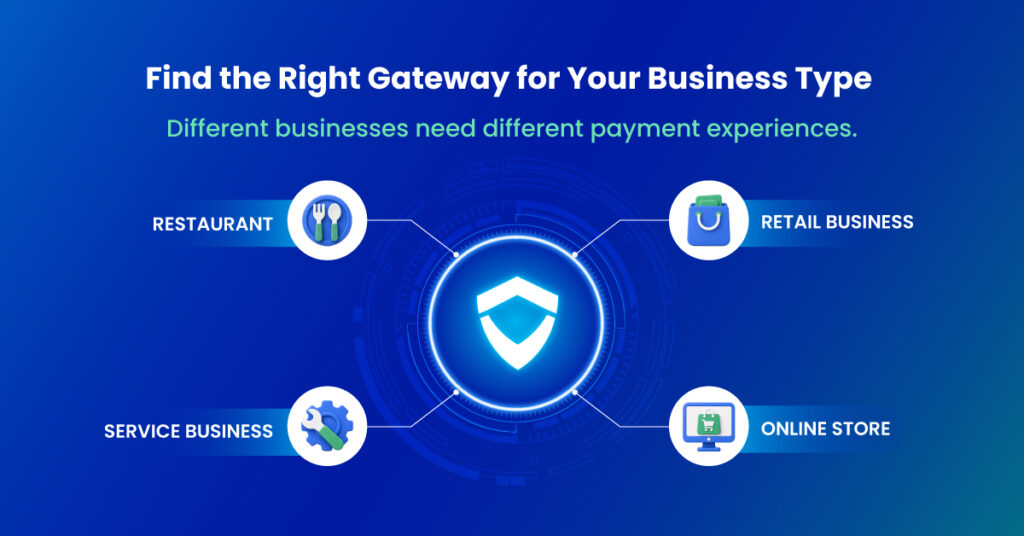
Best Payment Gateways for Small Business Types

Best Payment Gateways for Small Business Types

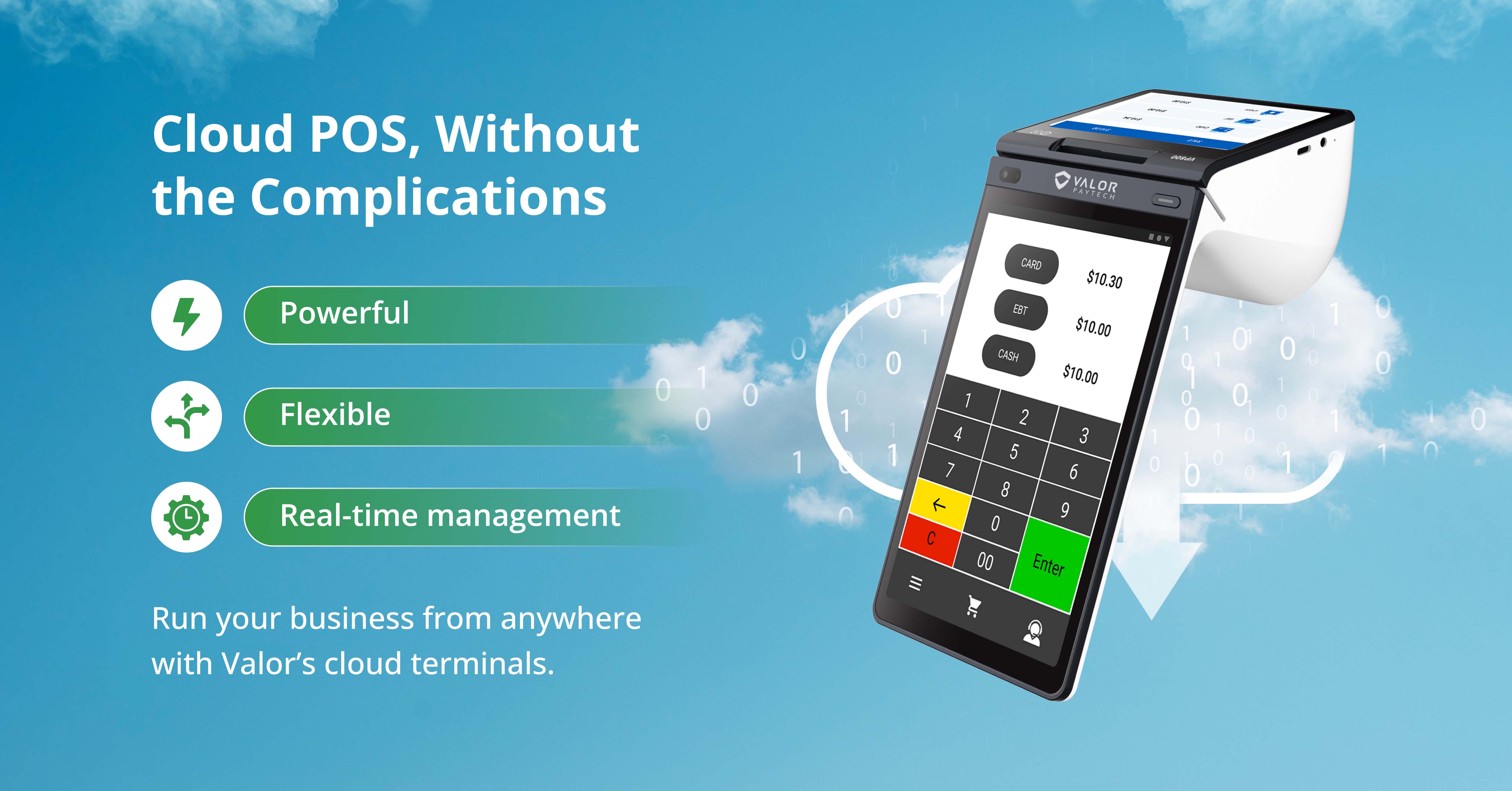
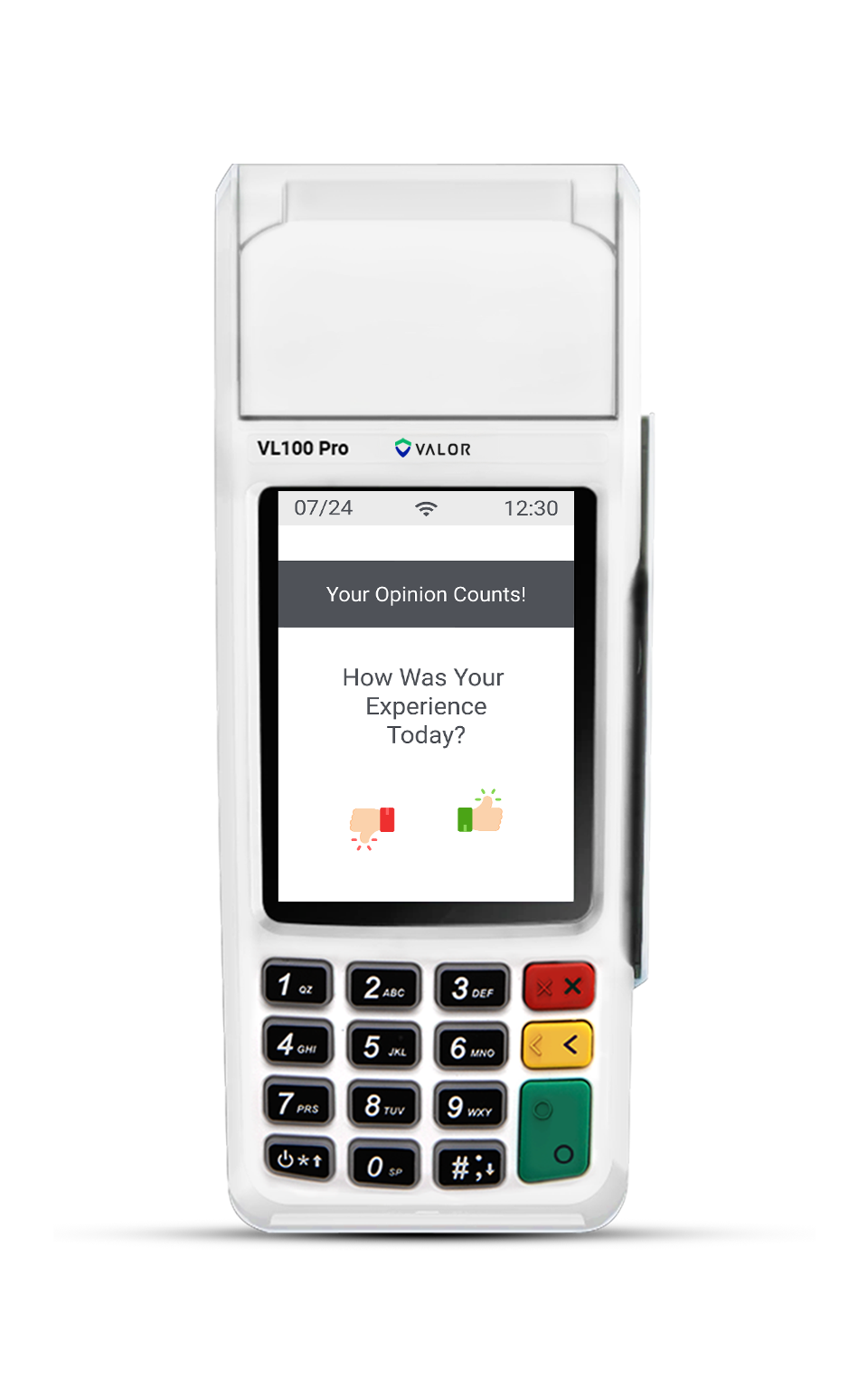
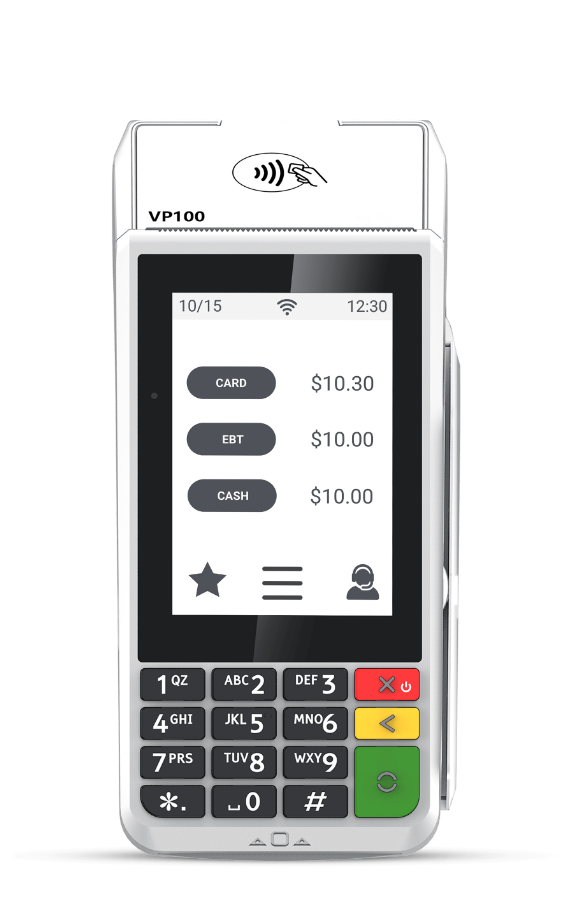
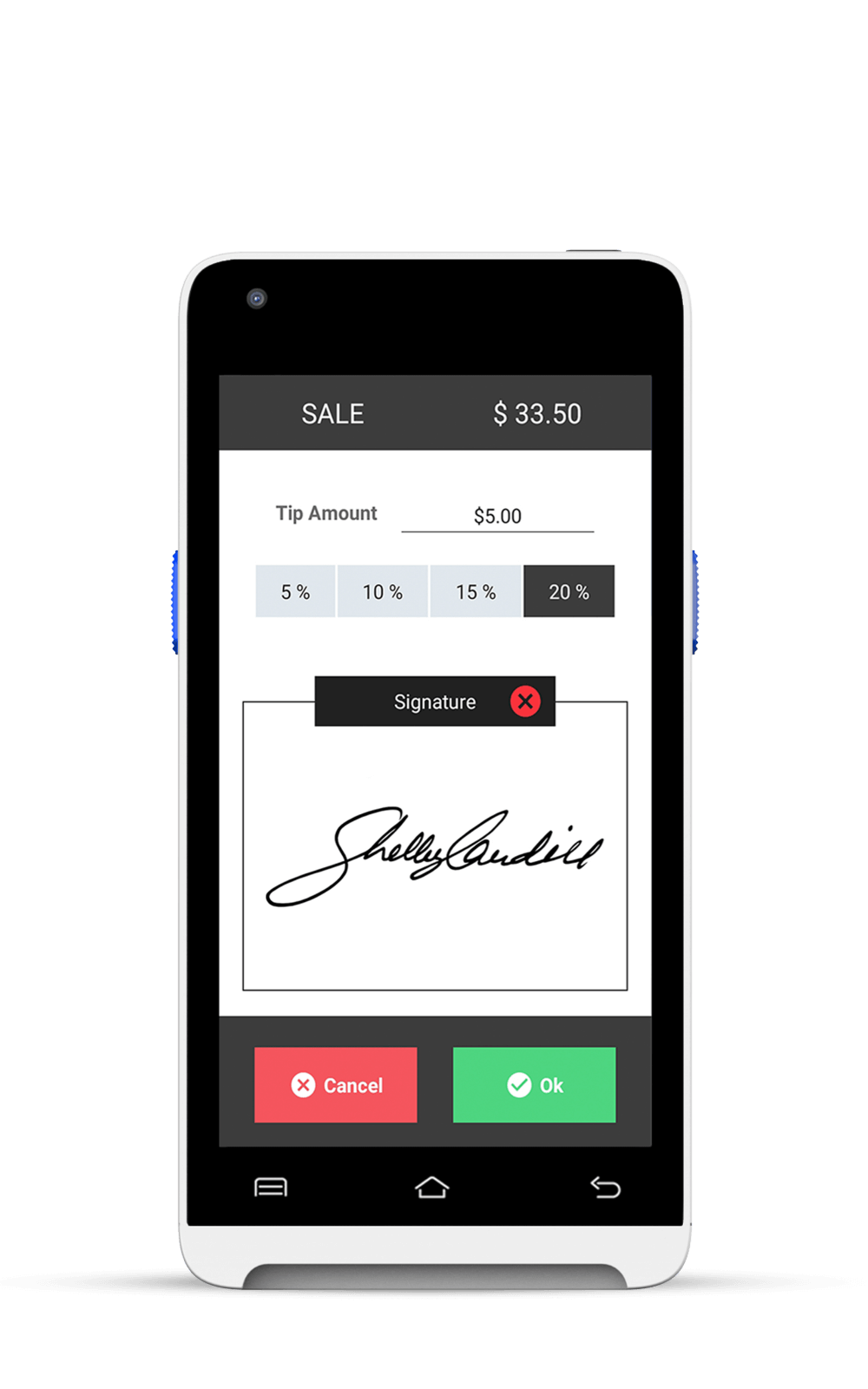
1. Valor PayTech — Best for Unified Commerce

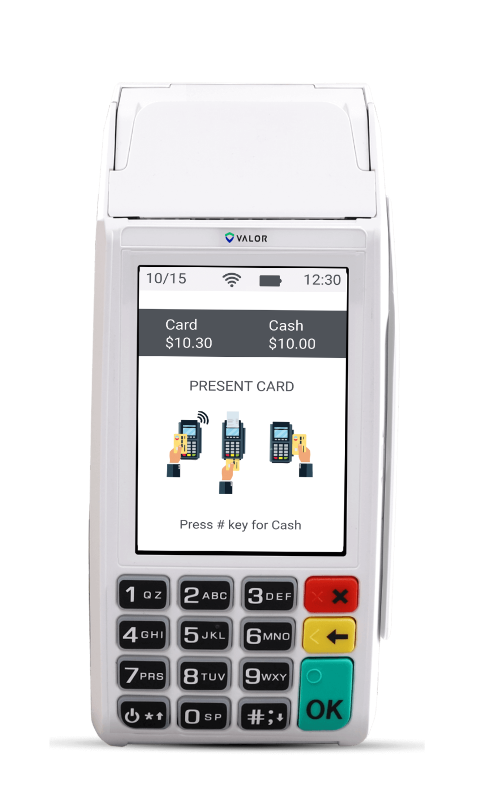
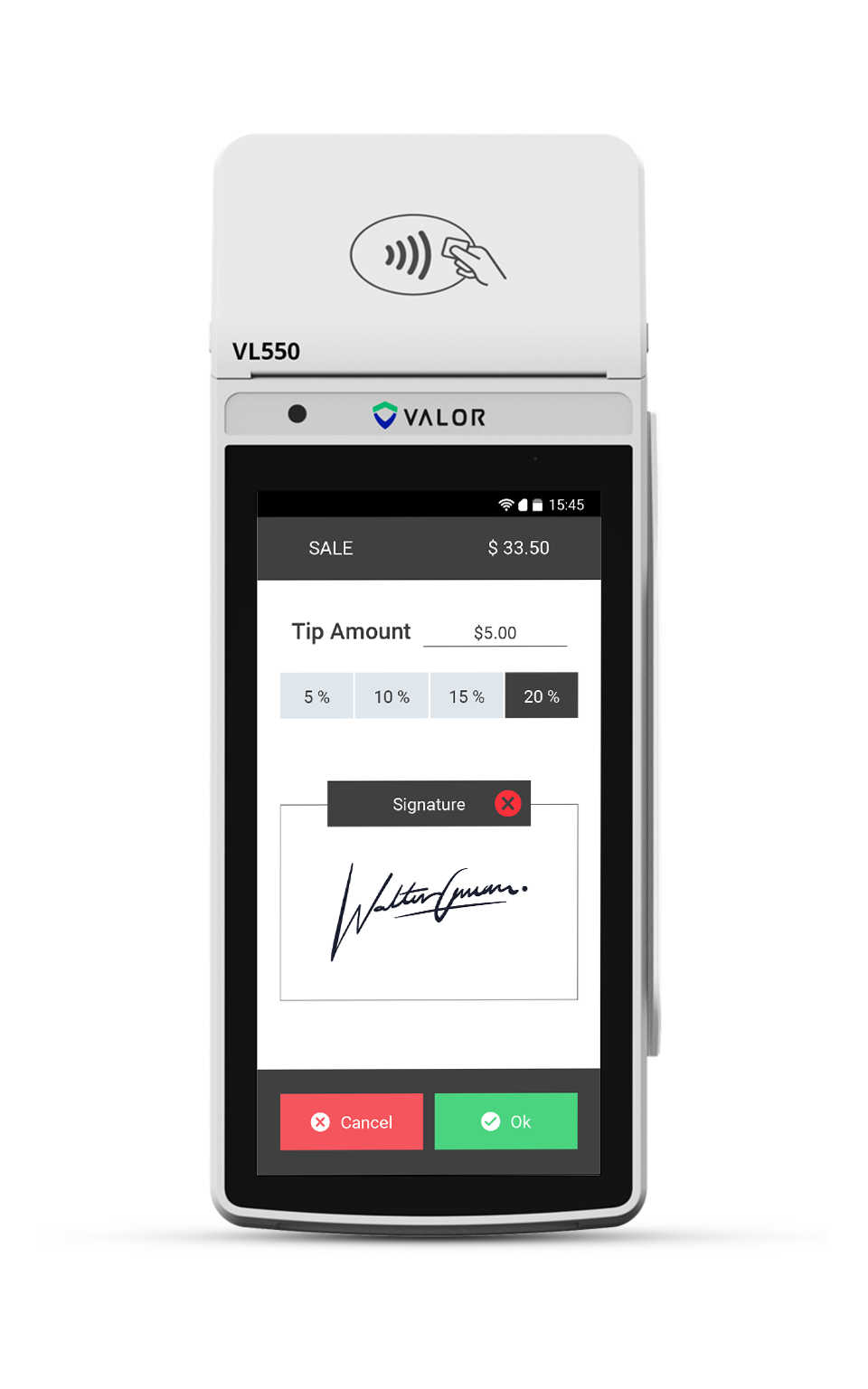
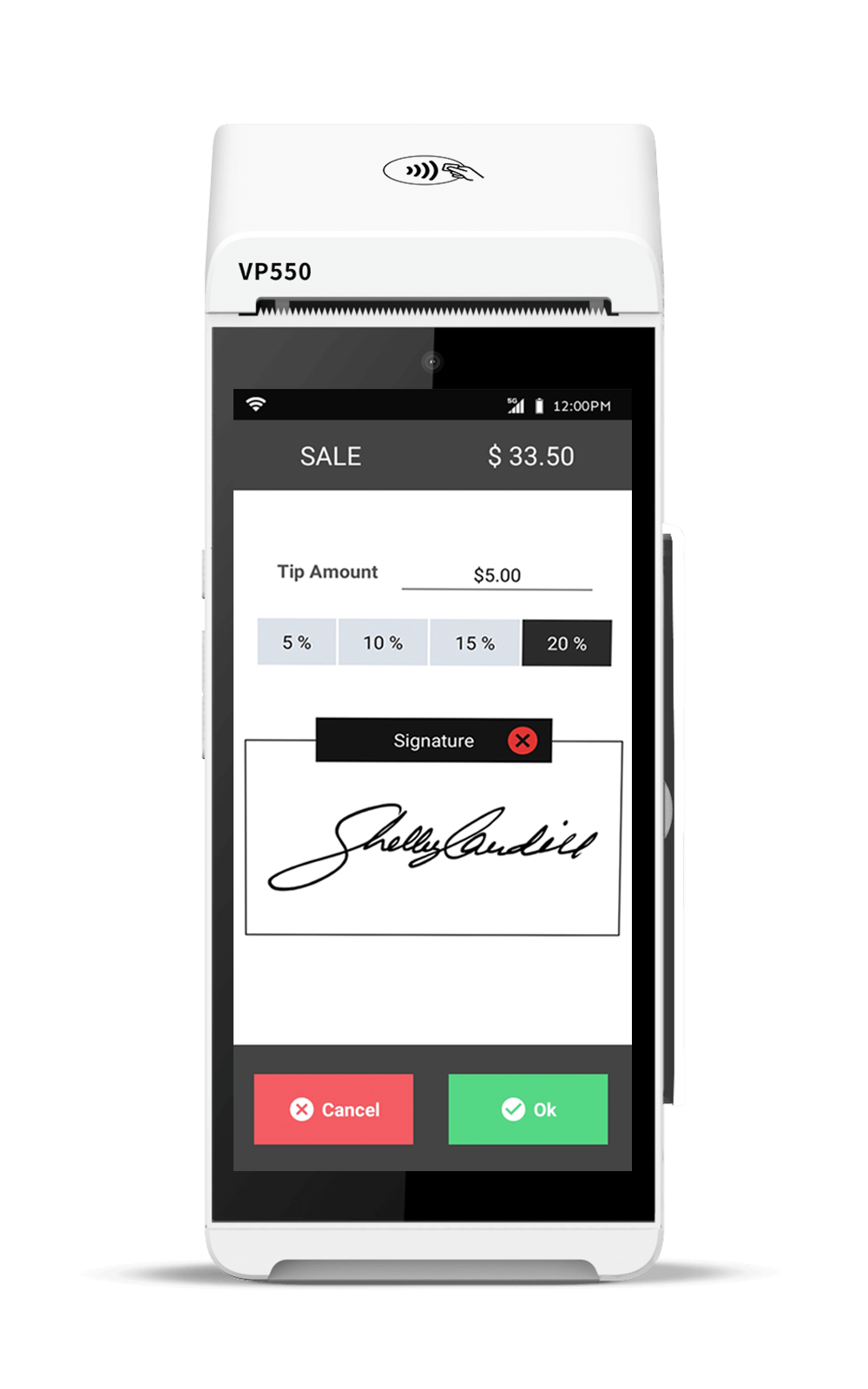
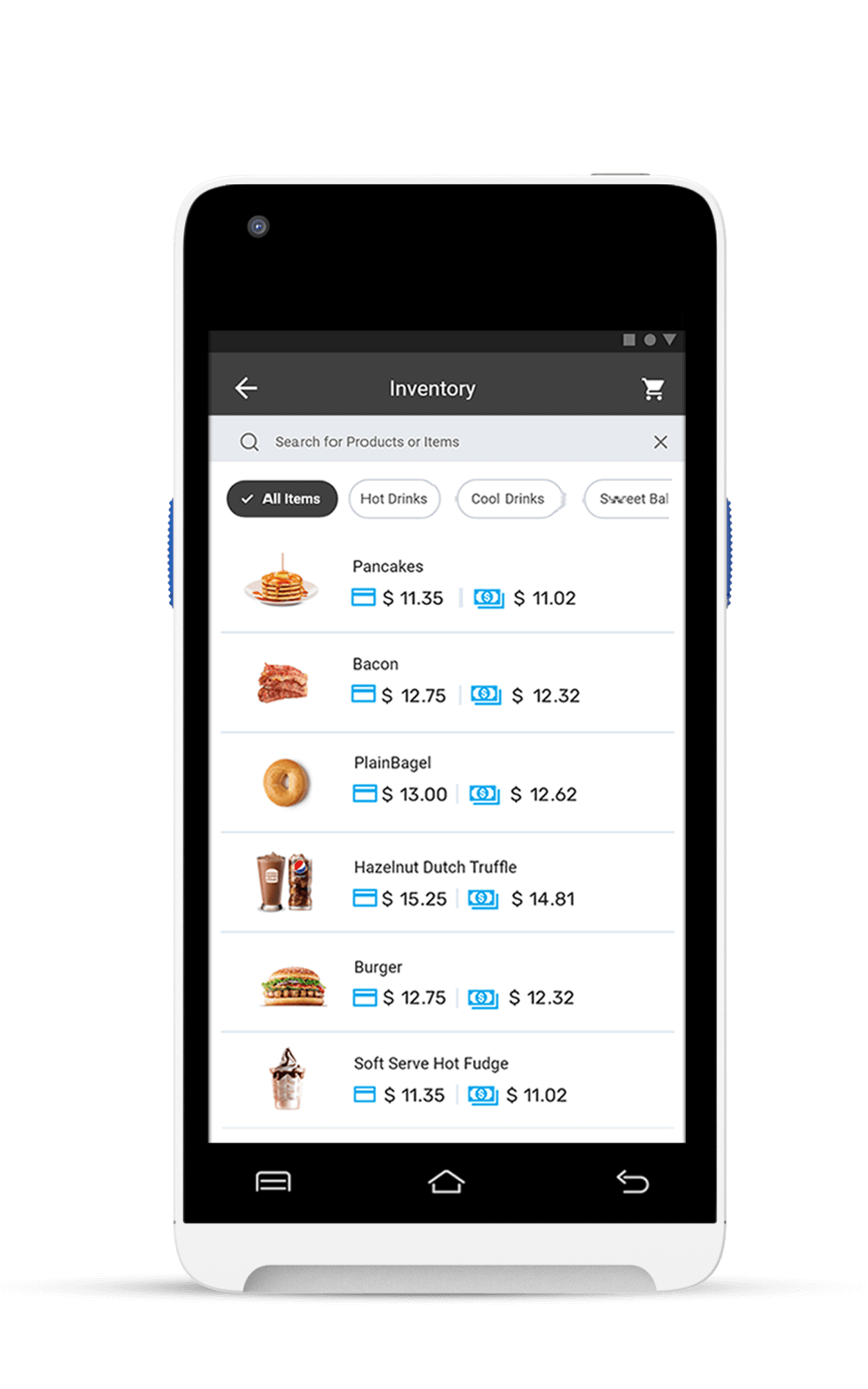
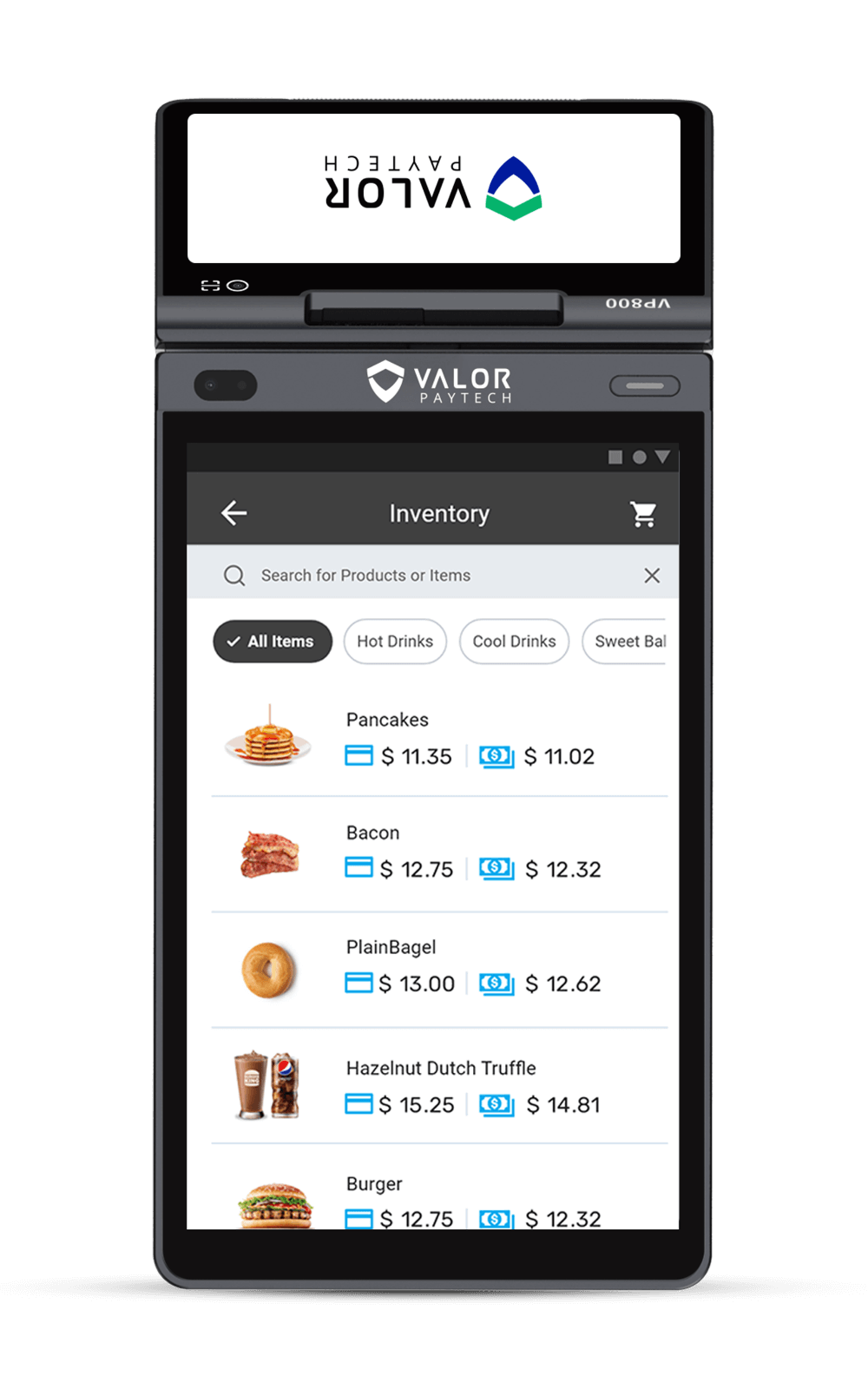
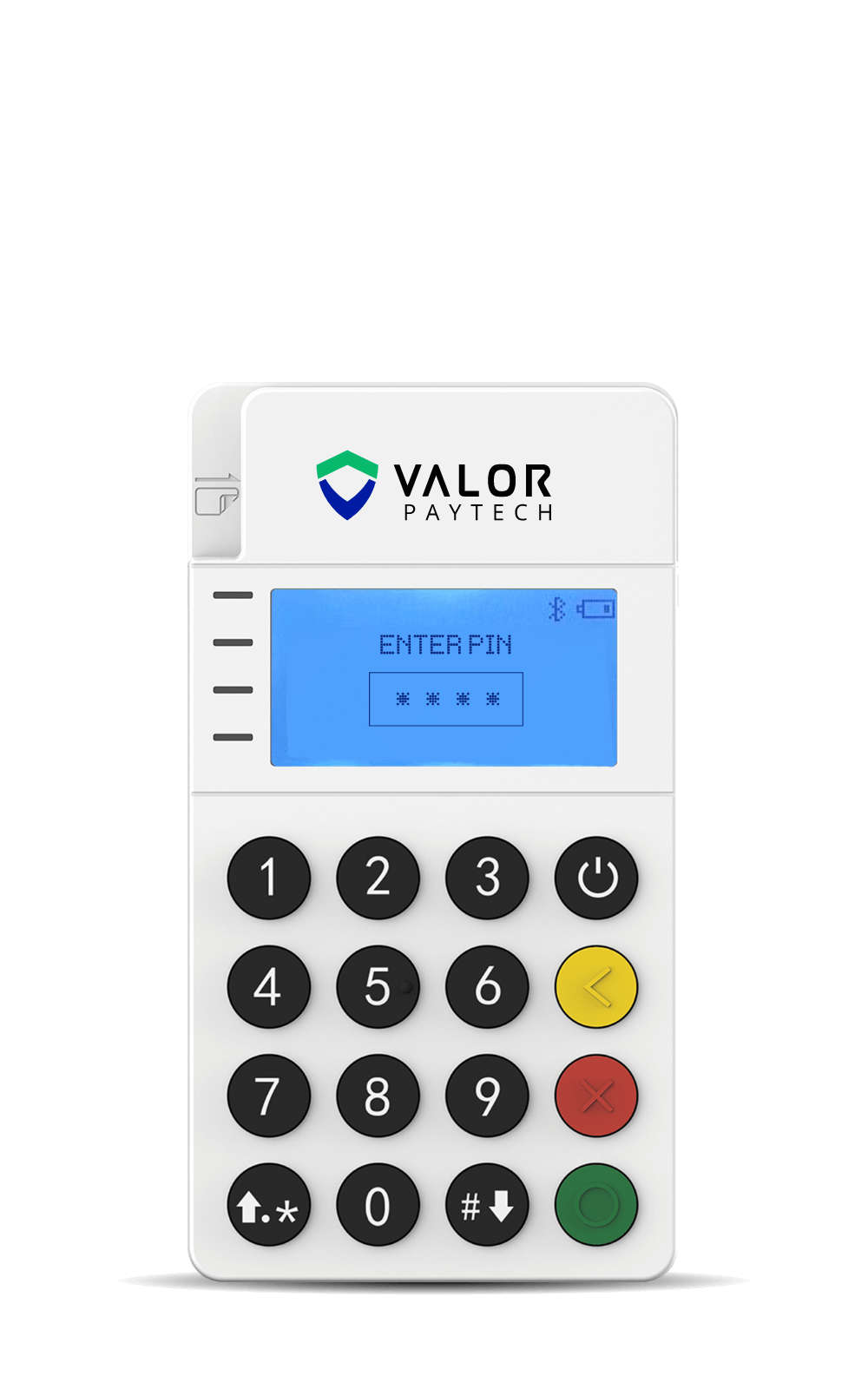
Valor PayTech is a strong option for businesses that accept payments across both online and offline channels. It is useful for merchants that need POS, e-commerce, reporting, and payment acceptance to work together in one connected ecosystem. 

Key Strengths 

  • Online and In-Store payment acceptance 
  • POS and payment gateway capabilities 
  • Centralized reporting 
  • Omnichannel payment support 
  • Tools for growing merchants and multi-location businesses 

Pros 

  • Helps simplify payment management 
  • Supports businesses with both physical and digital sales channels 
  • Improves visibility across payment activity 
  • Useful for merchants that need a connected commerce experience 

Cons 

  • May offer more functionality than very small businesses need 
  • Businesses should review setup, support, and integration requirements before choosing 

Best For 

Retailers, restaurants, service businesses, growing merchants, and businesses that manage both online and In-Store payments. 

2. Stripe — Best for SaaS and E-commerce Businesses

Stripe is a popular choice for online businesses, offering flexible payment tools, subscription billing, APIs, and global payment support. 

Key Strengths 

  • Online payments 
  • Subscription billing 
  • Flexible APIs 
  • Multiple payment methods 
  • Global payments 
  • Developer-friendly tools 

Pros 

  • Highly customizable 
  • Ideal for SaaS and subscriptions 
  • Scales with e-commerce 
  • Great for technical teams 

Cons 

  • May require development support 
  • Costs can rise with usage 
  • Can be complex for simple businesses 

Best For 

SaaS companies, e-commerce brands, marketplaces, subscription businesses, and online-first companies. 

3. Square — Best for Retail Stores and Cafés

Square helps small businesses accept payments with an easy-to-use POS system and simple setup. 

Key Strengths 

  • POS tools 
  • In-store payments 
  • Easy setup 
  • Inventory management 
  • Mobile payments 

Pros 

  • Easy to use 
  • Fast onboarding 
  • Great for small businesses 
  • Helpful business tools 

Cons 

  • Less customizable 
  • May not suit larger businesses 
  • Features vary by region 

Best For 

Retail stores, cafés, restaurants, salons, and local service businesses. 

4. Adyen — Best for International Growth

Adyen supports global businesses with local payment methods, multi-currency support, and unified online and in-store payments. 

Key Strengths 

  • Global payments 
  • Local payment methods 
  • Multi-currency support 
  • Online, mobile, and POS payments 
  • Enterprise-grade platform 

Pros 

  • Ideal for global expansion 
  • Supports multiple regions 
  • Handles complex payment needs 
  • Unified payment platform 

Cons 

  • Advanced for small businesses 
  • More complex setup 
  • Better for higher payment volumes 

Best For 

International businesses, scaling e-commerce brands, global retailers, and expanding companies.

5. PayPal — Best for Customer Trust

PayPal is a trusted payment option that helps increase customer confidence during checkout. 

Key Strengths 

  • Trusted brand 
  • Quick setup 
  • Familiar checkout 
  • Online payment support 
  • Multiple payment options 

Pros 

  • High customer trust 
  • Easy website integration 
  • Boosts checkout confidence 
  • Quick to implement 

Cons 

  • Fees may be higher 
  • Checkout may redirect users 
  • Account holds can affect cash flow 

Best For 

Small online businesses, e-commerce stores, creators, and service providers.

6. Helcim — Best for Cost-Conscious Businesses

Helcim offers transparent pricing and practical payment tools for small and growing businesses. 

Key Strengths 

  • Transparent pricing 
  • Payment processing 
  • Invoicing 
  • Online and in-person payments 
  • Business management tools 

Pros 

  • Clear pricing 
  • Good for cost control 
  • Supports multiple payment types 
  • Suitable for growing businesses 

Cons 

  • Smaller ecosystem 
  • Less customizable 
  • Features vary by region 

Best For 

Small and mid-sized businesses seeking transparent pricing and reliable payment tools.

7. BlockBee — Best for Cryptocurrency Payments

BlockBee enables businesses to accept cryptocurrency payments with multi-chain support. 

Key Strengths 

  • Cryptocurrency payments 
  • Multi-chain support 
  • Borderless payments 
  • Flexible crypto checkout 

Pros 

  • Supports multiple cryptocurrencies 
  • Ideal for crypto-focused customers 
  • Enables global digital payments 

Cons 

  • Not suitable for every business 
  • Crypto adoption varies 
  • Volatility and regulations should be considered 
  • Most businesses still need a traditional payment gateway 

Best For 

Digital businesses, crypto-friendly merchants, and companies offering cryptocurrency as an additional payment option. 

Common Payment Gateway Mistakes Small Businesses Should Avoid

Choosing the wrong payment gateway can create challenges as your business grows. 

Avoid these common mistakes: 

Choosing Based on Fees Alone 

The cheapest option may not provide the features, support, or flexibility your business needs. 

Ignoring Settlement Times 

Delayed access to funds can impact cash flow and day-to-day operations. 

Limiting Payment Options 

Customers expect flexibility. Offering multiple payment methods can improve conversion rates. 

Overlooking Future Growth 

Choose a provider that can support future expansion, additional sales channels, and evolving customer needs. 

Underestimating Reporting Capabilities 

Payment data can provide valuable insights into business performance and customer behavior. 

Best payment gateways in future

Payment expectations continue to evolve. Small businesses should watch the trends shaping checkout experiences and growth. 
 

  1. Real-Time Payments

Faster payments can improve cash flow and provide quicker access to funds. 

  1. AI Fraud Prevention

AI-powered tools help detect suspicious activity, reduce fraud risk, and minimize false declines. 

  1. Buy Now, Pay Later (BNPL)

BNPL gives customers more flexibility and may help increase average order value. 

  1. Embedded Finance

Many payment platforms now include features such as: 

  • Lending 
  • Wallets 
  • Banking tools 

This helps businesses manage more financial activities in one place. 

  1. Cross-Border Commerce

Gateways that support multiple currencies and local payment methods can help businesses sell internationally with less friction.

Conclusion

The best payment gateway in 2026 is the one that aligns with how your customers pay and how your business grows. 

Payments are no longer just backend infrastructure. The right payment gateway improves the customer experience, supports faster growth, and helps your business operate more efficiently. 

A well-chosen solution can help you increase conversions, speed up cash flow, build customer trust, and expand with confidence. 

Choose a payment gateway that fits your business needs today while supporting your growth for the future.

FAQ

1. What Is the Best Payment Gateway for Small Businesses?

The best payment gateway depends on your business type, payment needs, and growth plans.

Compare fees, security, payment options, integrations, and settlement speed before choosing a provider.

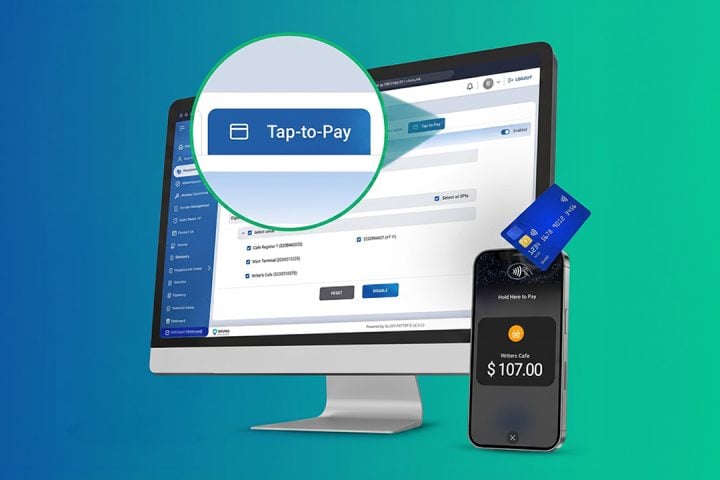
Yes. Many payment gateways support online, in-store, mobile, and contactless payments through a single platform.

Businesses should accept cards, digital wallets, bank payments, and other popular payment methods preferred by their customers.

Look for strong security, fast settlements, multiple payment options, reporting tools, and scalability.

Yes. Using multiple payment gateways can improve payment success rates and customer payment options.

The best payment gateway for e-commerce depends on your platform, payment methods, security, and growth requirements.

Yes. Modern payment gateways use encryption, tokenization, PCI DSS compliance, and fraud detection to protect transactions.

Most leading payment gateways integrate with Shopify, WooCommerce, and other major e-commerce platforms.

A payment gateway securely collects payment information, while a payment processor authorizes and completes the transaction.

Ready to get started?

Become a Partner Today!

Complete the form below.

Latest Blogs

The future of payment technology

LIKE WHAT YOU SEE?

Subscribe to our newsletter and never miss any tips, tricks and examples from our experts.

Having trouble with the contact form?

We're sorry for the inconvenience. Please try using a different browser. Still not working? Feel free to contact us directly at sales@valorpaytech.com

Copyright © 2026 Valor PayTech - All Rights Reserved.