
In 2026, customers expect instant, secure, and frictionless payments — whether they’re shopping online, tapping in-store, or paying from mobile.
For small businesses, choosing the best payment gateway for small business is no longer just about accepting credit and debit cards. It directly impacts:
- Conversion rates
- Customer trust
- Fraud prevention
- Cash flow
- Global expansion
- Long-term scalability
If your checkout experience is slow, limited, or insecure — customers leave.
This guide breaks down everything you need to know, including updated 2026 trends and a detailed comparison table.
Quick Answer: What Is the Best Payment Gateway for Small Business in 2026?
There is no one-size-fits-all answer.
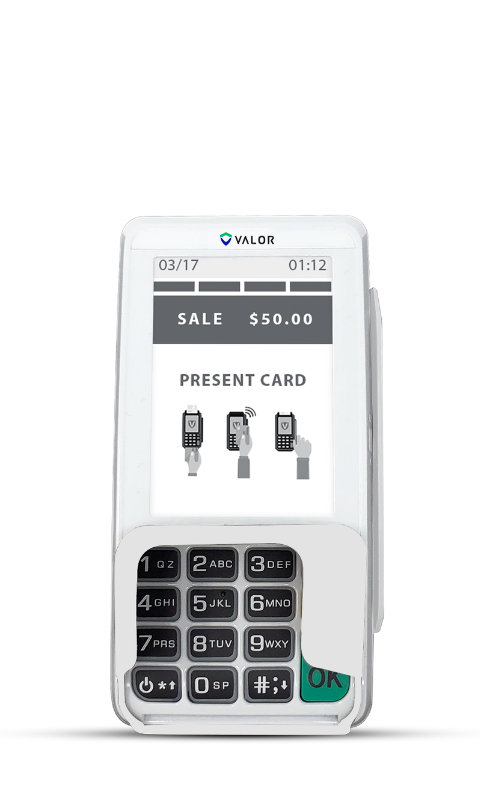
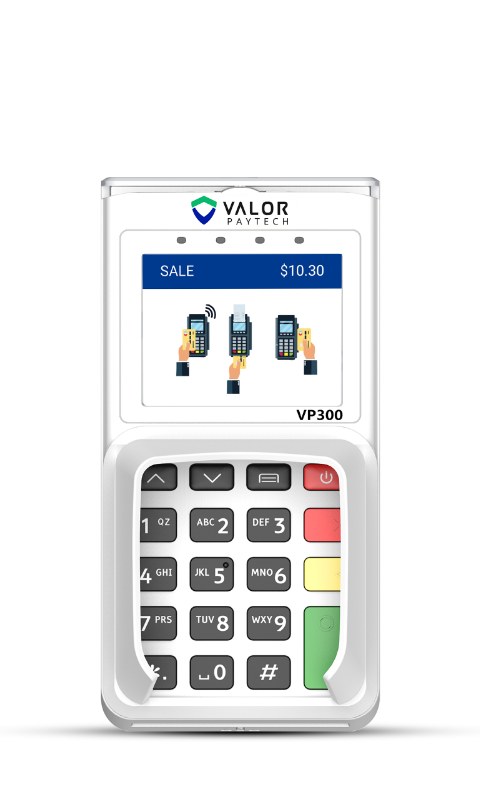
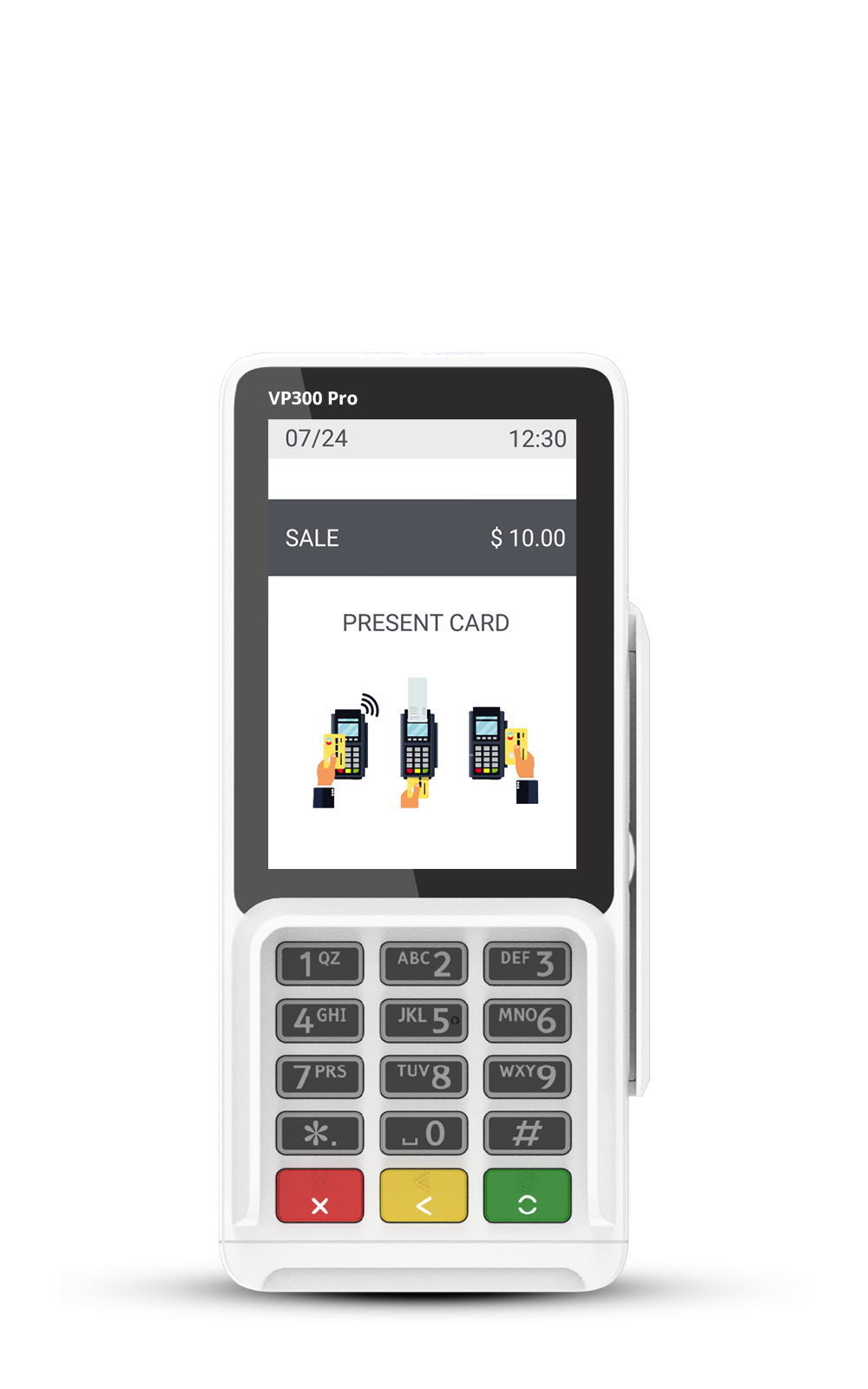
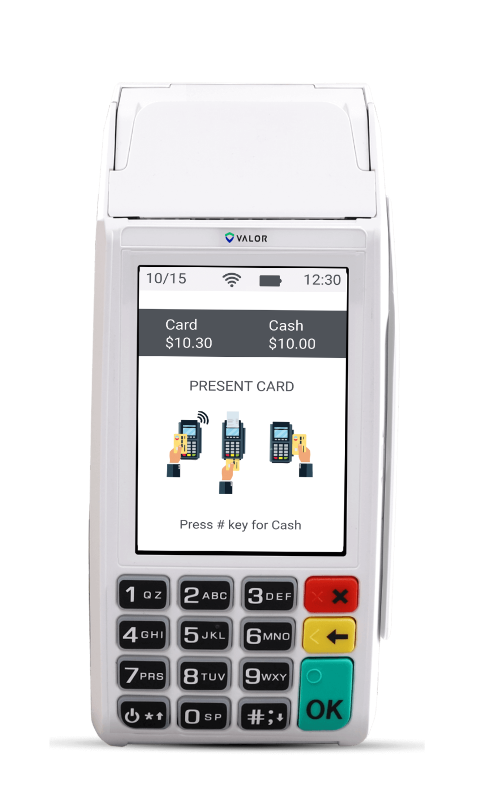
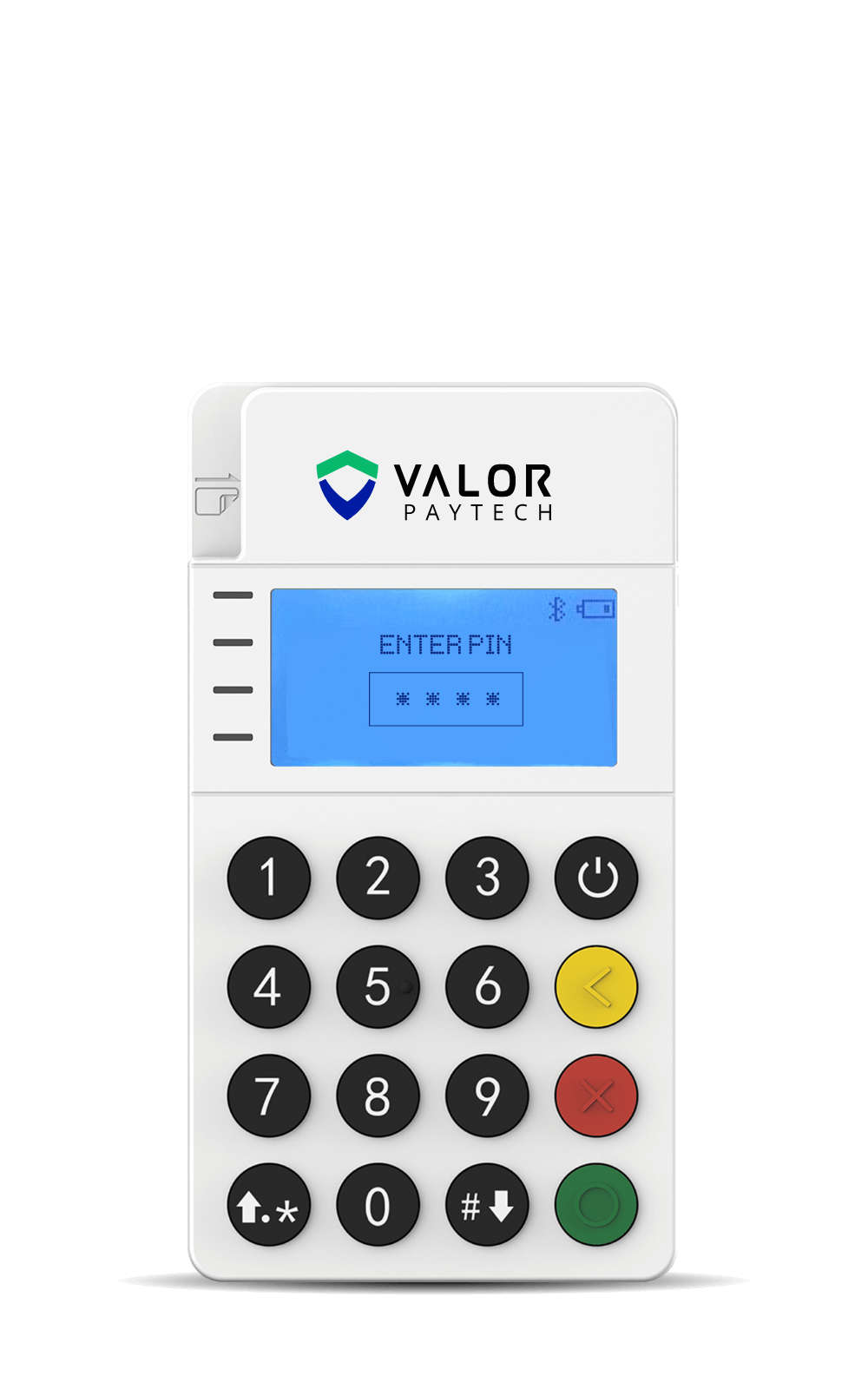
- Businesses needing omnichannel (online + in-store) solutions often choose Valor PayTech.
- Ecommerce and SaaS companies prefer Stripe.
- Retail and hybrid merchants commonly use Square.
The best choice depends on your business model, transaction volume, and growth goals.
What Is a Payment Gateway?
A payment gateway is the secure technology that captures, encrypts, and transmits payment data between:
Customer → Merchant → Payment Processor → Bank
It ensures transactions are:
- Authorized
- Encrypted
- Verified
- Settled
Modern gateways in 2026 go beyond basic processing. They now include:
- AI-based fraud detection
- Tokenization
- Real-time analytics dashboards
- Multi-channel integration
- Embedded finance features
Why Small Businesses Need a Modern Payment Gateway
Small businesses operate on tight margins. Every failed transaction, chargeback, or delayed payout affects revenue.
Here’s why the right gateway matters:
1. Increased Conversions
Faster checkout = fewer abandoned carts.
2. Customer Trust
PCI-compliant infrastructure builds confidence.
3. Faster Settlements
Next-day or same-day funding improves cash flow.
4. Omnichannel Capability
Sell online, in-store, mobile, and via invoices — from one system.
5. Scalability
Grow without switching providers every year.
Top Features to Look for in 2026
When evaluating payment gateways, prioritize:
✔ Transparent Pricing
Look for:
- Flat rate vs interchange-plus
- Chargeback fees
- Monthly platform fees
- Hidden add-ons
✔ AI Fraud Prevention
Fraud in card-not-present transactions continues to rise.
Modern gateways use machine learning to reduce false declines.
✔ Multi-Payment Support
Your customers expect options:
- Credit & debit cards
- ACH
- Digital wallets
- BNPL
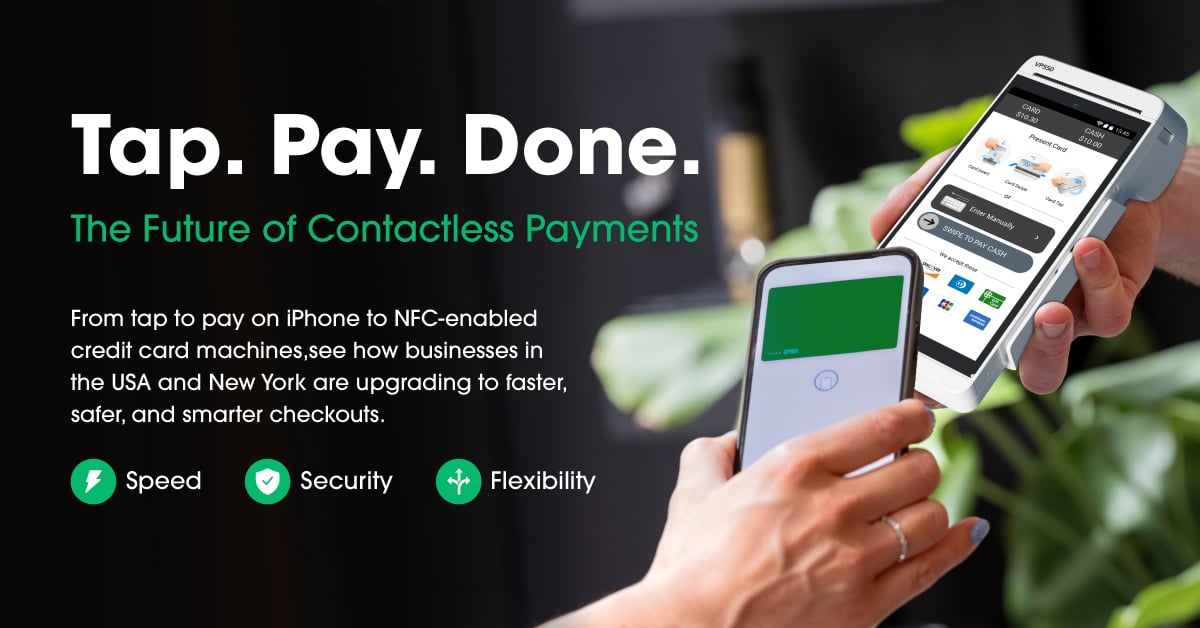
- Contactless payments
- International currencies
✔ Mobile-First Checkout
Over 60% of small business online purchases now originate from mobile.
✔ Real-Time Reporting
Business intelligence tools are no longer optional.
✔ Fast Funding
Cash flow is critical for SMB survival.
Best Payment Gateways for Small Businesses in USA (2026 Comparison)
Below is a structured comparison based on features, usability, and scalability.
| Provider | Best For | Online Payments | In-Store POS | International | Developer Friendly | Settlement Speed |
|---|---|---|---|---|---|---|
| Valor PayTech | Omnichannel SMB | ✅ | ✅ | Limited | Moderate | Fast |
| Stripe | Ecommerce & SaaS | ✅ | ❌ | ✅ | High | Standard |
| Square | Retail & Hybrid | ✅ | ✅ | Limited | Moderate | Fast |
| Authorize.Net | Traditional SMB | ✅ | Limited | Limited | Moderate | Standard |
| Shopify Payments | Shopify Stores | ✅ | Limited | Limited | Low | Standard |
| Adyen | Global Expansion | ✅ | ✅ | ✅ | High | Fast |
1. Valor PayTech
Best for: Unified commerce & scalable SMB growth
Strengths:
- Online + in-store integration.
- Real-time reporting
- Secure PCI-compliant ecosystem.
- Hardware + software integration.
- Strong partner support.
Consideration:
- Typically available through partners.
Best suited for merchants wanting one ecosystem for everything.
2. Stripe
Best for: Developer-heavy ecommerce
Strengths:
- Powerful APIs
- Global payments
- Subscription tools
Consideration:
- Technical complexity for non-developers
3. Square
Best for: Small retailers & restaurants
Strengths:
- Integrated POS
- Easy onboarding
- Recognized brand
Consideration:
- Less flexible for complex customizations
4. Authorize.Net
Best for: Traditional businesses
Strengths:
- Strong fraud filters
- Stable infrastructure
Consideration:
- Monthly gateway fees
5. Shopify (Shopify Payments)
Best for: Shopify merchants
Strengths:
- Seamless integration
- No extra transaction fees within platform
Consideration:
- Limited outside Shopify ecosystem
6. Adyen
Best for: International scaling
Strengths:
- Multi-currency support
- Enterprise-grade analytics
Consideration:
- May require higher processing volume
How to Choose the Right Payment Gateway
Ask yourself:
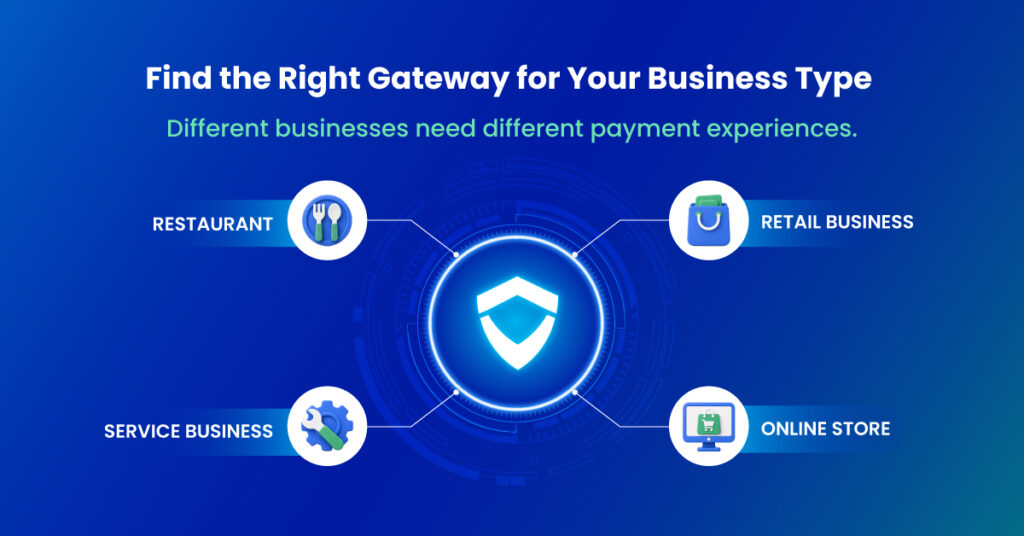
- Am I online-only or hybrid?
- Do I plan to expand internationally?
- What is my monthly transaction volume?
- Do I need recurring billing?
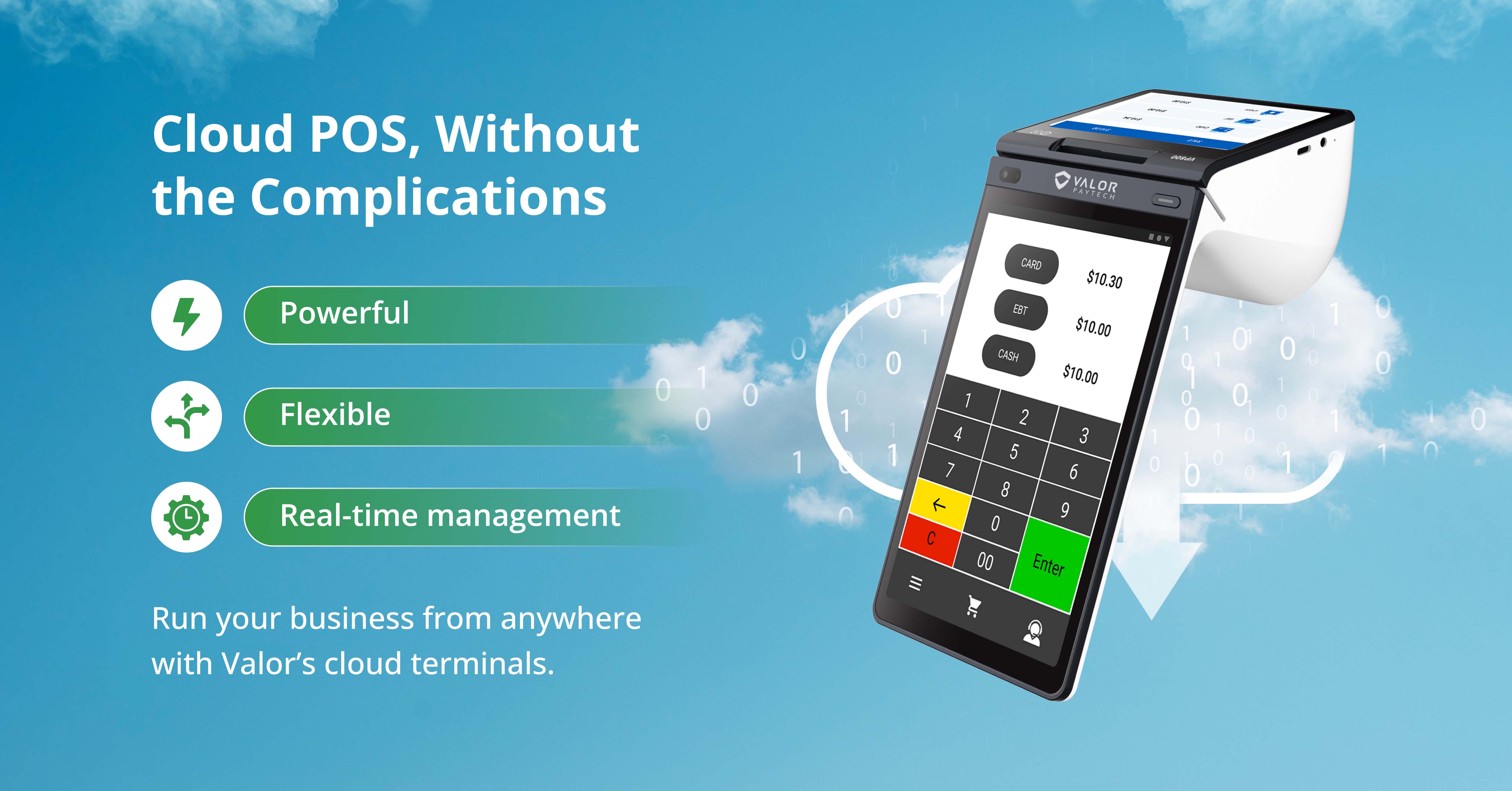
- Do I need POS hardware integration?
- How important is advanced reporting?
Test before committing:
- Use sandbox environments
- Request demos
- Review contract terms carefully
Integrating a best payment gateway for small business into your website or app
The good news? It’s easier than ever to add a payment gateway to your site or mobile app. Most providers offer:
- Plugins for platforms like Shopify, Valor Pay, WooCommerce, Magento, and Wix.
- APIs for custom development.
- Hosted payment pages if you don’t want to handle sensitive data directly.
You don’t need to be a developer to get started – but having someone on your team who understands the basics can help speed things up.
What you need to know about security and compliance
A modern payment gateway must provide:
- PCI DSS compliance
- Tokenization
- End-to-end encryption
- 3D Secure authentication
- AI-powered fraud detection
- Two-factor authentication
Security is now a ranking factor indirectly — Google favors trustworthy, secure brands.
Payment Processing Trends for Small Businesses
🔹 Buy Now, Pay Later (BNPL)
Higher conversion rates and larger average order value.
🔹 AI Fraud Detection
Reduces false declines and improves approval rates.
🔹 Real-Time Payments
Faster merchant funding cycles.
🔹 Embedded Finance
Gateways now offering:
- Merchant loans
- Wallets
- Banking integrations
🔹 One-Click Checkout
Saved credentials reduce friction dramatically.
🔹 Cross-Border Commerce Growth
Even small businesses are selling globally earlier.
Can You Switch Payment Gateways Later?
Yes. Most providers allow migration, though recurring billing data and tokenized payment methods may require technical support.
Switching is common as businesses scale.
Final thoughts
The best payment gateway for small business in 2026 is the one that aligns with:
- Your growth strategy
- Your customer behavior
- Your cash flow needs
- Your security standards
Payments are no longer just transactional — they are part of your customer experience strategy.
Choose wisely, test thoroughly, and build with scalability in mind.
FAQ
1. What is the cheapest payment gateway for small business?
Flat-rate providers offer predictable pricing, while interchange-plus pricing may lower costs for higher-volume merchants.
2. Can I accept payments without a website?
Yes. Many gateways support payment links, invoicing, and virtual terminals.
3. What security features should the best payment gateway for small business include?
Look for PCI DSS compliance, tokenization, end-to-end encryption, fraud detection, and two-factor authentication to keep customer data secure.
4. Can I switch my payment gateway later if I outgrow it?
Yes. Many platforms allow you to switch or upgrade. Just ensure your new gateway integrates with your existing systems and offers migration support.
5. How do I choose the best payment gateway for my small business?
Start by considering your business type, target market, and transaction volume. Look for low fees, strong security, mobile compatibility, and easy integration.
6. Can I integrate into a payment gateway without having a website?
Yes! You don’t need a website to start accepting payments. Many providers offer alternatives like POS terminals for in-store use, mobile apps for on-the-go payments, and even payment links. It’s all about choosing a setup that matches your business.
7. Which gateway supports both online and in-store?
Valor PayTech and Square both support omnichannel transactions.
8. Can small businesses accept international payments?
Most modern gateways offer international capabilities, but features can vary. Adyen, Stripe, and Valor PayTech support multi-currency transactions and global compliance, making them great picks if you’re planning to sell beyond borders.
Ready to get started?
Become a Partner Today!
Complete the form below.